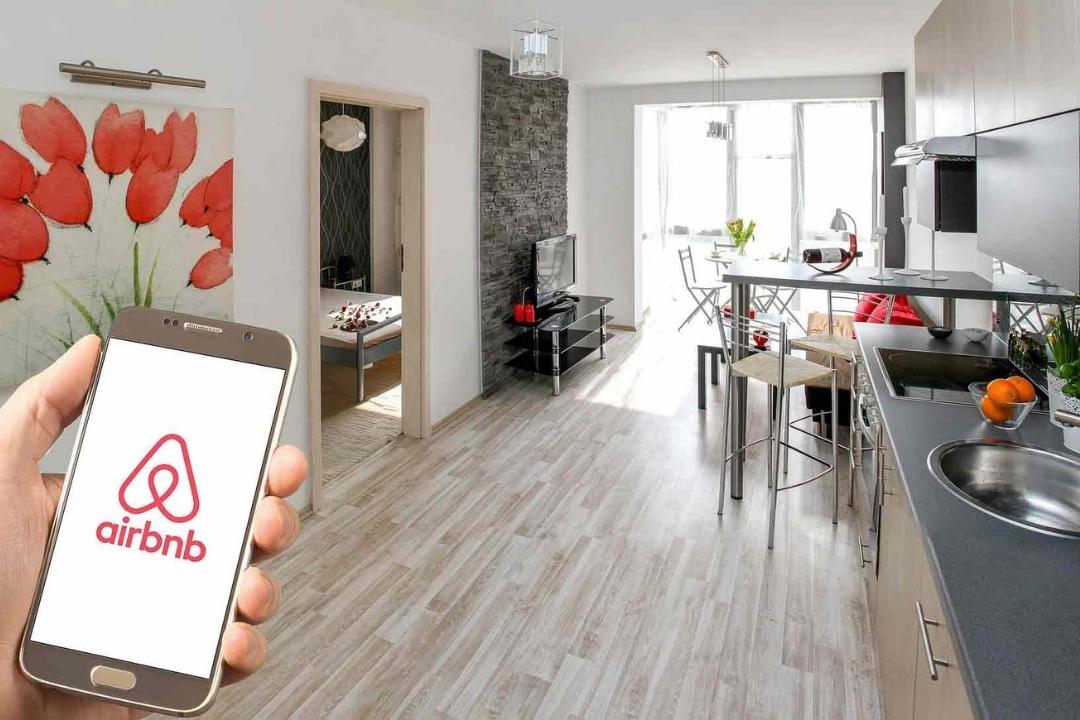
AirBnB and other short-term rental (STR) investing have exploded in popularity over the past decade. And as travel recovers from the pandemic, analysts expect growth to resume: By 2025, the global short-term rental market will have reached over $97 billion, with annual growth rates ranging from 4%–7%. U.S. revenue alone is expected to hit $21B, reflecting continued expansion even after the pandemic.
Short-term rental guests are willing to pay more for a night’s stay than most long-term tenants. Property owners like the extra per-night rent yield they can get on these properties compared to traditional rental tenants. In some cases, short-term rental properties even allow investors to realize cash flow in highly appreciated markets where cash flow properties are hard to find in traditional residential investment properties.
Short-term rental analysts continue to report strong demand fueled by remote and hybrid workers—about 22% of the U.S. workforce in 2025, who enjoy the flexibility to work from anywhere and increasingly choose vacation rentals over traditional hotels.
But financing a short-term rental property can be tricky: They often don’t qualify for traditional lending programs. But you can still get a mortgage for these properties – if you know where to look.
What is a short-term rental?
A short-term rental property, sometimes called a vacation rental, is one that gets rented out for terms anywhere between overnight and one year. They are alternatives to traditional hotels and bed and breakfasts. Examples include ‘condotels,’ Airbnb, Vrbo, and HomeAway rentals.
Other short-term rental properties include “homesharing” platforms like Natiivo, which offers condos made especially for the short-term rental market, and currently has locations in Miami and Austin, and other sites under development in Dallas, Denver, and Nashville.
Also very popular are companies such as Landing, Blueground, Sonder, and June Homes. These companies offer flexible leases, typically starting at terms of 30 days and up. Members can move from city to city throughout the United States and enjoy staying at fully furnished properties.
How do I finance a short-term rental property?
Traditional lenders regard short-term rental properties as much riskier than plain-vanilla single-family or multi-family residential investment housing. Where ordinary rental income tends to produce a steady stream of rental income from long-term tenants, short-term rental income tends to be highly irregular, seasonal, and sensitive to the economic cycle.
The perceived risk to the lender is even greater if the owner doesn’t plan to live on site. Not every lender has an appetite for that kind of risk. But a few specialized lenders are willing to get creative on these properties, and actively seek out opportunities to lend on these deals, whether you want to purchase a new property or refinance an existing one.
In either case, it’s important to work with a mortgage broker who knows who those lenders are, and which lenders have the best programs that specifically suit your individual circumstances. Otherwise, you could waste a lot of time and effort filling out loan applications for banks and other traditional lenders who just don’t grasp this market.
Down payment requirements for short-term rental investment properties
Generally, you can use the same basic loan types on short-term rental properties as you can for other non-qualifying residential investment property loans. However, loan terms on short-term rental mortgages are typically stricter than they are on comparable traditional rental properties, to account for the added risk to the lender.
For example, where a bank lender might need 25 percent down to issue a mortgage on a single-family home, lenders in the short-term rental space typically need a down payment of 30 to 35 percent, or even higher in certain cases.
Lenders will also look carefully at cash flows from short-term rental properties, and typically gauge the property’s expected gross rental income based on the trailing twelve months prior to applying.
Creative lending programs for short-term rental properties
Depending on your circumstances, you can take advantage of any of these specialized lending programs to get a mortgage to purchase or refinance a short-term rental property:
DSCR loans: Qualifying with cash flow
A debt service coverage ratio (DSCR) loan allows you to borrow money based on the projected income from the property. You can qualify quickly, without W-2s, tax returns, or other proof of your own income.
Lite doc mortgages for self-employed investors
A ‘lite doc’ loan is a loan with streamlined income verification requirements. Self-employed borrowers can qualify with an accountant’s letter verifying their length of employment, along with twelve months’ profit and loss statements. A lite doc loan may be a good solution for self-employed borrowers who don’t have two years’ worth of tax returns at hand.
Using bank statements for loan approval
A bank statement loan is another type of mortgage with a streamlined application process. You can qualify even if you don’t have W-2s or tax returns. A bank statement loan typically requires 12 to 24 months of bank statements showing adequate income and a CPA letter verifying the nature of your business. These loans can be a good fit for self-employed borrowers who don’t have W-2s or tax returns showing a regular income. Even first-time investors can qualify for a bank statement loan.
Bridge loan solutions for fast closings
A ‘bridge loan’ is a short-term loan, often for one or two years, with a balloon payment due at the end of the term. They’re asset-backed, so you can qualify quickly, without proof of income, tax returns, debt-to-income issues, or other standard underwriting. These loans are ideal for ‘fix-and-flip’ scenarios, or to buy a property while you wait for another property to sell or otherwise set up more advantageous long-term financing.
Asset-based lending options
If you have a lot of assets, you may be able to use them to qualify for an asset depletion mortgage, rather than rely entirely on your income to qualify. The lender estimates how much income your assets can generate, on top of meeting a reserve requirement. You can qualify quickly, without income verification, W-2s, or tax returns.
These programs may be a good match for investors who hold a significant amount of cryptocurrency and who don’t want to sell a high-growth asset with great potential for appreciation.
Financing for foreign nationals
You can qualify for a mortgage on a short-term rental property even if you aren’t an American citizen. Lenders will consider applications from non-U.S. persons, including:
- Permanent residents
- Resident aliens with valid work permits
- Non-resident aliens
Non-warrantable properties
It’s possible to get a mortgage on ‘non-warrantable’ condos and condotels that don’t qualify for traditional financing. Some condo associations prohibit short-term rentals, however.
Using crypto to get a loan
If you have significant crypto holdings, you can use those to help you qualify for a mortgage. Some specialized lenders will credit up to 90% of your crypto portfolio towards their reserve requirements. You can also use your crypto portfolio to support an asset utilization program. This is a very specialized market. Click here for more details, specifically on how your crypto assets can help you get a mortgage.
Using gifted funds as down payments
Where conventional lenders place strict limits on whether borrowers can use gifted funds as down payments, there are lenders in the short-term rental market that are willing to work with borrowers even if 100% of down payment funds are gifted. Gifted funds can be from relatives and even from unrelated friends.
Financing “tiny homes” and other smaller properties
Most traditional mortgage lenders won’t touch a property under 500 square feet. This excludes a lot of “tiny homes,” “condotels,” converted lofts, studios, efficiencies, and smaller condominiums in areas that are in high demand among short-term renters.
But there is a specialty market of lenders that are happy to lend on these types of properties, even if all they have is a kitchenette.
Managing multiple properties
While Freddie Mac and Fannie Mae limit the number of mortgages for any given borrower, our creative non-QM mortgage lenders have no such limits. You can finance an unlimited number of short-term rental and other properties.
Portfolio loans for larger investors
Special loan programs exist for large, established real estate investors who want to purchase or refinance multiple properties (at least 5 to 7 properties) with a single loan. These are asset-backed loans, based on the projected cash flows of your portfolio. You can use these loans to purchase properties, or even unlock equity with a cash-out refinancing.
Invest nationwide – specializing in Florida, Miami & South Florida markets
If you’ve delayed buying or refinancing because you think you won’t qualify, or you’ve been turned down by a traditional lender. DAK Mortgage specializes in helping investors across the U.S. and especially in Florida, Miami, and South Florida secure financing for unique short-term rental properties.
Whether you need a jumbo short-term rental mortgage, DSCR program, bank statement loan, or portfolio financing, our expertise covers Airbnb, vacation homes, condotels, tiny homes, and more.
Contact us today to get expert guidance and see how we can help you purchase or refinance your short-term rental property, wherever you invest.
Frequently asked questions about short-term rental mortgages
What is a short-term rental mortgage?
A short-term rental mortgage is a loan designed for properties rented out on a nightly, weekly, or monthly basis, such as Airbnb, Vrbo, or vacation homes, to help investors purchase or refinance these unique properties.
How do lenders evaluate income for short-term rental properties?
Lenders often use recent rental income history, seasonal trends, and projected cash flow from platforms like Airbnb or Vrbo instead of traditional tenant leases to assess your ability to repay.
What is the minimum down payment for a short-term rental mortgage?
Down payment requirements usually range from 25% to 35%, which is higher than traditional investment property loans due to the variable and seasonal nature of short-term rental income.
Can I qualify for a mortgage if I use bank statements or alternative documentation?
Yes, many lenders offer creative programs using bank statements, asset utilization, or “lite doc” options, allowing self-employed investors or those without standard W-2 income to qualify.
Are foreigners and non-U.S. residents eligible for short-term rental mortgages?
Some lenders will consider mortgage applications from permanent residents, work permit holders, and even non-resident aliens interested in U.S. short-term rental properties.
Do lenders finance properties like tiny homes, non-warrantable condos, or other non-traditional rentals?
Yes, specialized loan programs exist for these property types, even if they fall below traditional lender requirements for size, documentation, or condo association rules.
How many short-term rental properties can I finance?
While government-backed loans have limits, many non-QM and portfolio lenders allow you to finance multiple short-term rental properties—even entire portfolios—with a single loan program.